

AI speed. Design judgment. Human clarity.
A curated collection of AI experiments across design workflows, business enablement, generative video, music, and creative collaboration.
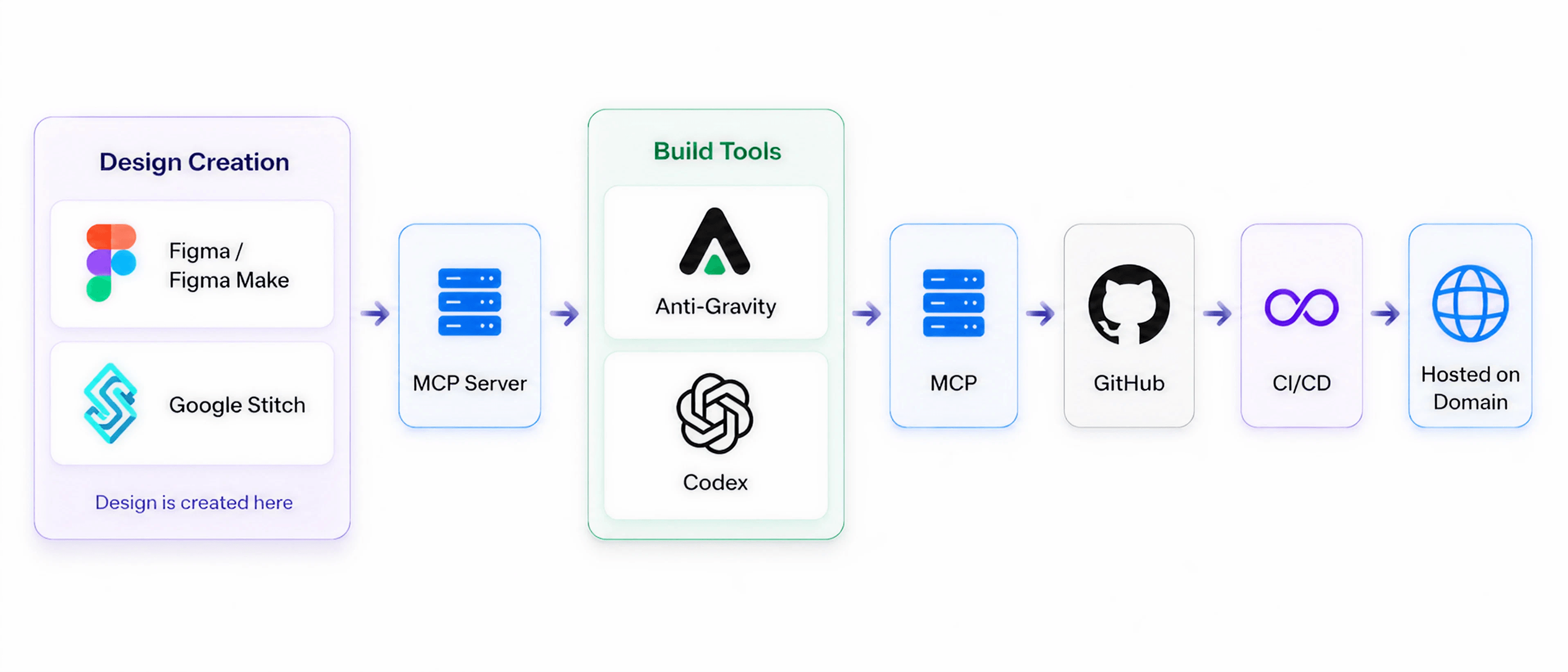
Portfolio as an AI-native workflow.
This portfolio started as a personal AI exploration, not just a website redesign.
I wanted to understand how AI can reshape the product development journey, from early design direction to AI-assisted coding, version control, deployment, and launch.
It helped me explore faster, reduce execution time, and move through build decisions quickly, while design taste, usability, clarity, and quality control stayed human-led.
Why this matters
- AI is a token-based system where weak prompts, unclear direction, and unnecessary iterations create real cost.
- Future teams will need to see and validate concepts visually before they start building.
- This experiment helped me understand how to reduce wasted direction, validate early, and move toward implementation only when the concept is clear.
AI-Augmented UX Practice.
I use AI to sharpen the early stages of UX thinking.
It helps me turn messy requirements, meeting notes, research inputs, user scenarios, and product questions into clearer insights, journeys, sitemap directions, JTBD frames, UX checks, and early design possibilities.
From the first requirement conversation to the final flow validation, AI helps me compress the messy middle, faster synthesis, clearer patterns, earlier design direction. The thinking stays mine. The speed improves.
AI speeds up exploration. Human judgment keeps the work useful.
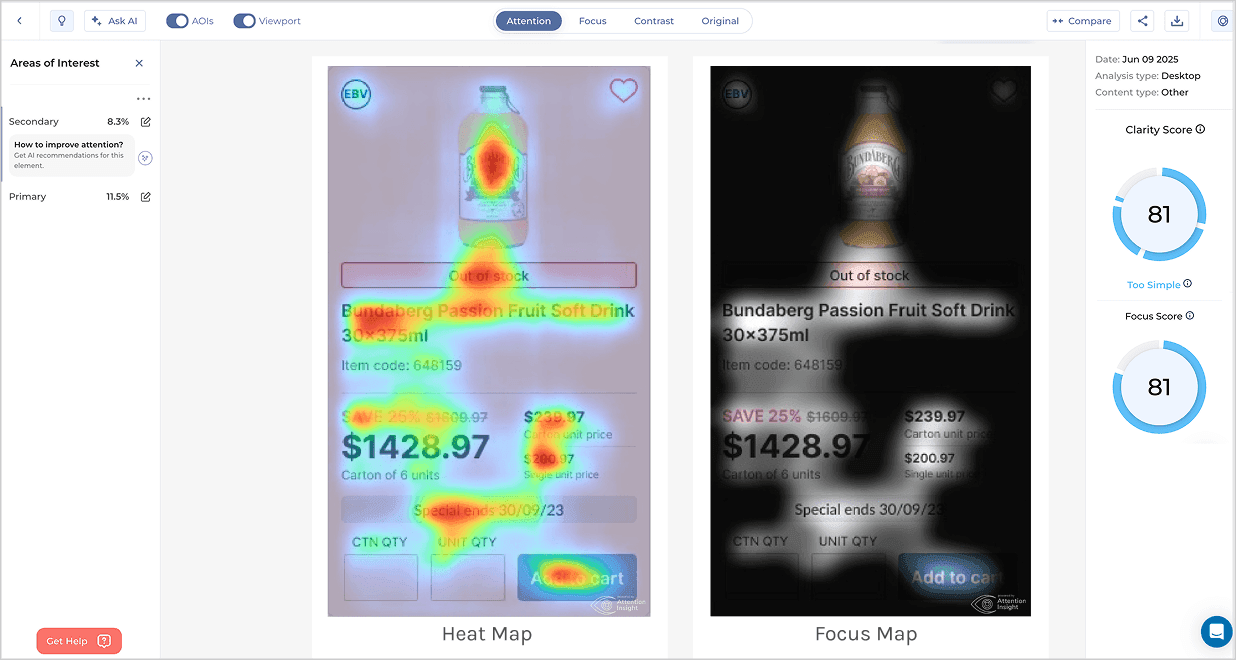
B2B product discovery for a retail platform. Selected non-confidential proof only, due to NDA.
Why this matters
- Good UX is not created by generating more screens; it comes from asking better questions, finding patterns faster, and making clearer decisions.
- AI helps compress exploration and move faster through the noise.
- The final product direction remains entirely grounded in users, business context, and human clarity.
AI for Business Enablement.
I use AI to help business teams move from abstract ideas to visible concepts faster.
A team needed event visuals in two days. Brief was vague. Budget was zero. I used AI to go from a rough concept to a shareable poster, headshot, and short video in an afternoon. Not perfect production. But clear enough to align, approve, and move forward.
I have explored AI-generated videos, marketing email templates, posters, professional headshots, branded photo concepts, campaign visuals, and presentation-ready creative assets.
AI speeds up creative production. Design judgment keeps it on-brand, useful, and presentation-ready.

Commerce Campaign Visual
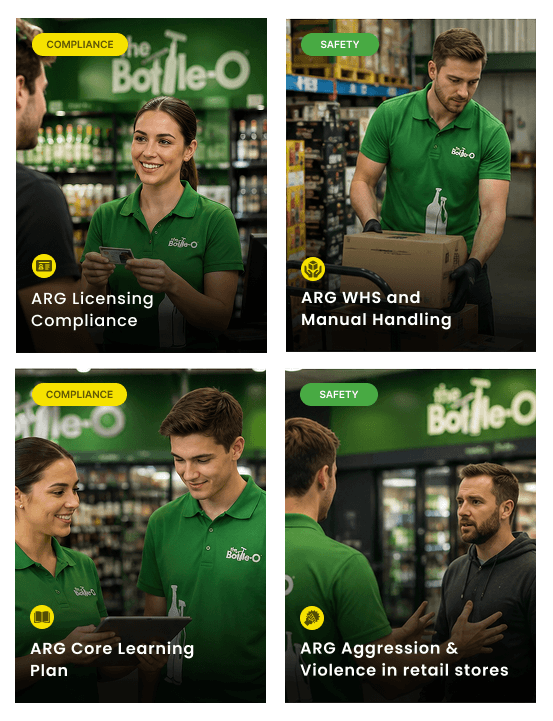
Retail Brand Moments
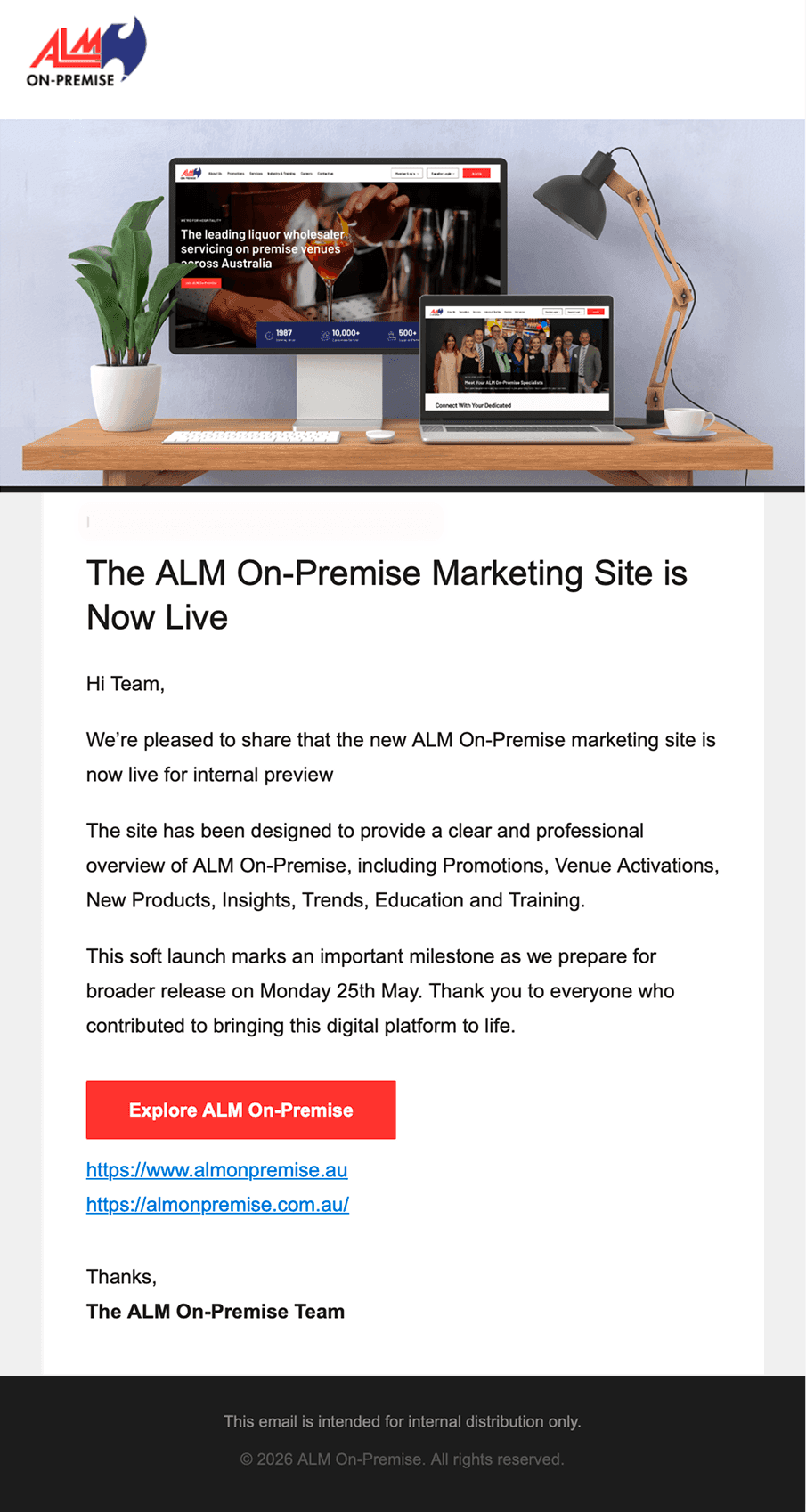
Campaign Email Direction
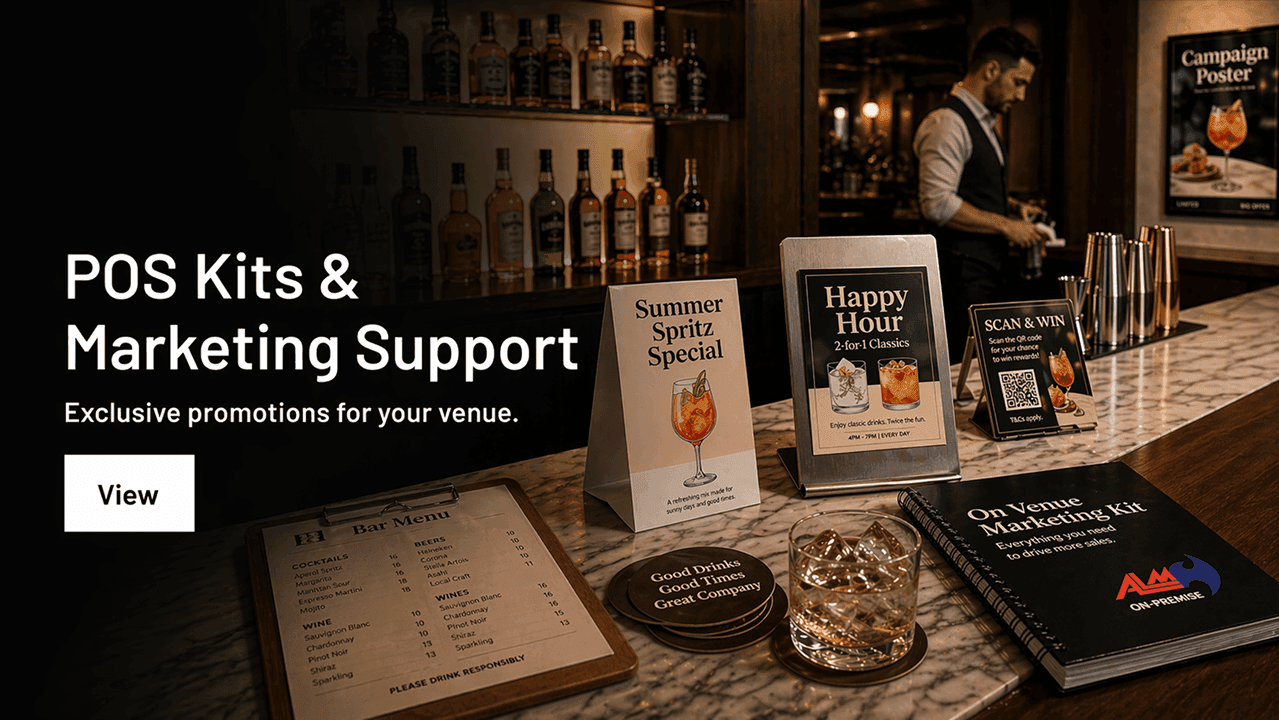
Retail Event Collateral
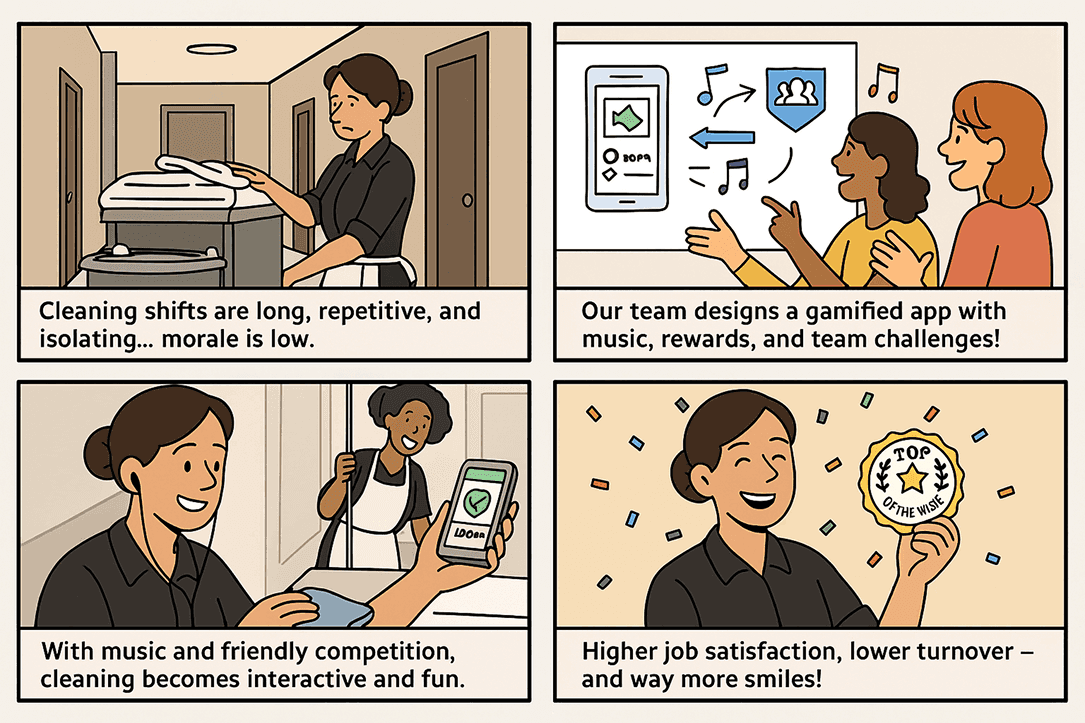
Narrative Visual Concept
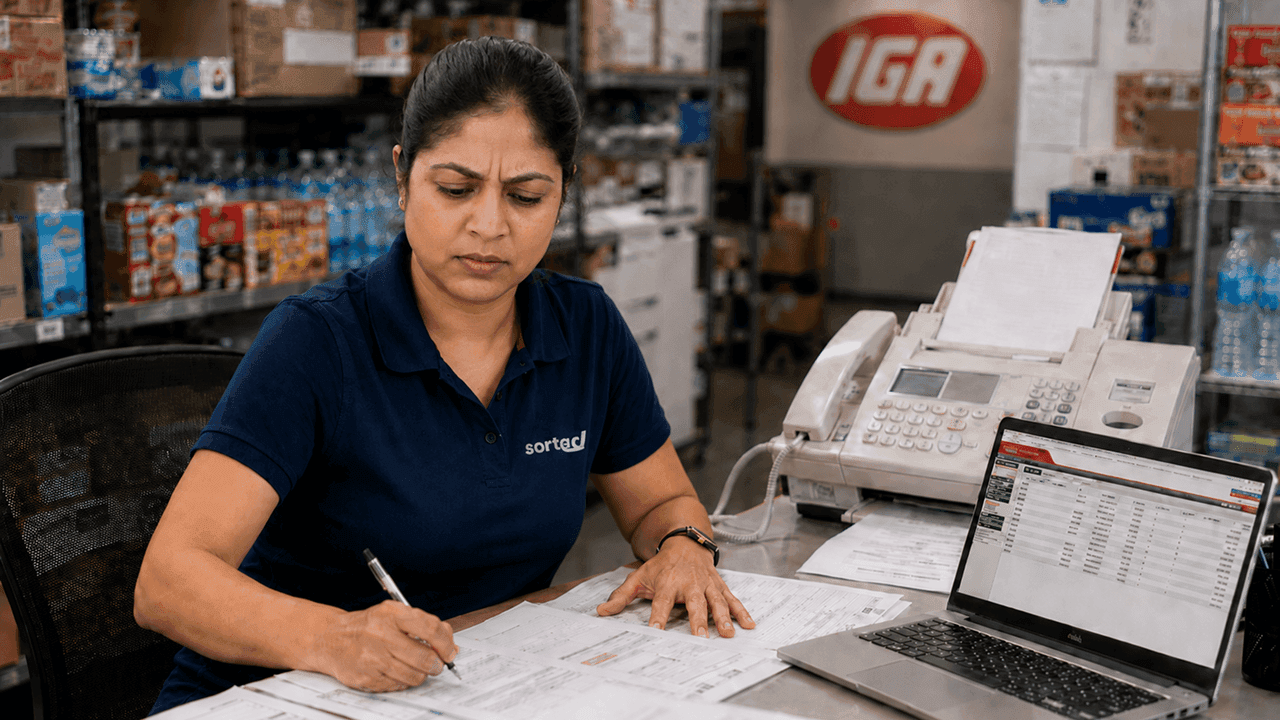
Operations Concept Scene
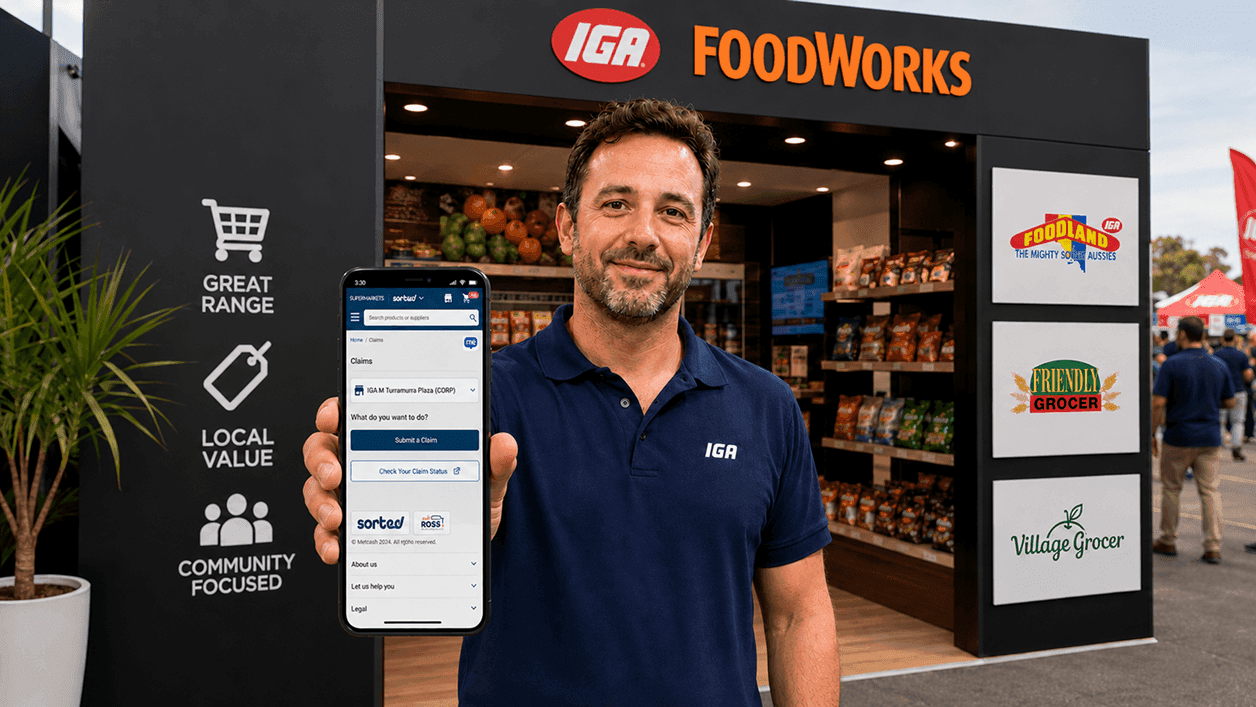
Expo Experience Visual
Selected non-confidential proof only, due to NDA.
Why this matters
- AI gives designers the opportunity to contribute beyond traditional UI-UX screens.
- Business teams often need fast visual clarity to align, decide, or present an idea before building.
- Using AI speed and design judgment, I can deliver event concepts, campaign directions, communication assets, or presentation visuals in hours rather than days.
- This expanding design contribution helps business teams communicate better, move faster, and create stronger outcomes.
AI Video Lab.
I explore AI video to understand how stories can be created from prompts, images, frames, characters, and voice.
Through my YouTube channel with around 20K subscribers, I test different AI video workflows, from text-to-video and image-to-video to frame-to-video, avatar-based scenes, cinematic prompts, and AI-generated audio.
These experiments help me understand how visual consistency, motion, emotion, voice, and storytelling behave when creative production becomes AI-assisted.
Why this matters
- Video is becoming one of the fastest ways to explain ideas, products, and stories.
- AI reduces video production time, but high-quality output still requires clear direction, scene control, visual judgment, and storytelling intent.
- This project explores how future teams can create sharper product communication, campaign visuals, and narrative-led experiences at speed.
Poetry to AI Music.
I explore AI music by starting with something human first, my own writing.
I start with a poem. Not a prompt. The emotion, rhythm, and intent come first. Then AI translates that into sound.
This experiment helps me understand how human creativity and AI generation can work together, where the idea begins with feeling and the output becomes an audio experience.
AI can generate the sound. Human intent gives it emotion.
Why this matters
- Creative AI works best when the input has real depth, such as a poem rather than just a prompt.
- A strong human-led poem, mood, or emotional direction gives AI something meaningful to translate.
- This helps me explore how writing, storytelling, sound, and machine generation can work together without losing the human feeling.
AI Collaboration & Knowledge Sharing.
I explore AI better when I learn with people, not just tools.
Through internal demos, discussions, and collaborative experiments, I have seen how different teams think about AI, where they feel excited, where they feel unsure, and where practical examples create confidence.
I share workflows, examples, and experiment outcomes to help others understand how AI can support design, business communication, content, research, and faster decision-making.
AI adoption grows when people see practical value, not just tool names.
My AI Principle
AI should speed up exploration, not replace human judgment.
Keep human judgment central
AI generates options. Final decisions come from clear thinking, user understanding, and product context.
Start with context
Good AI output depends on the quality of the problem statement, constraints, references, and intent.
Use inputs responsibly
Sensitive or client-specific data should not be used casually inside AI tools.
Choose useful over flashy
The best AI output is the one that helps people understand, decide, and move forward, not the most impressive one.
AI is not replacing my design process. It is expanding it.
The value is not in using more tools. It is in knowing what to ask, what to ignore, what to refine, and what should finally become a real product experience.